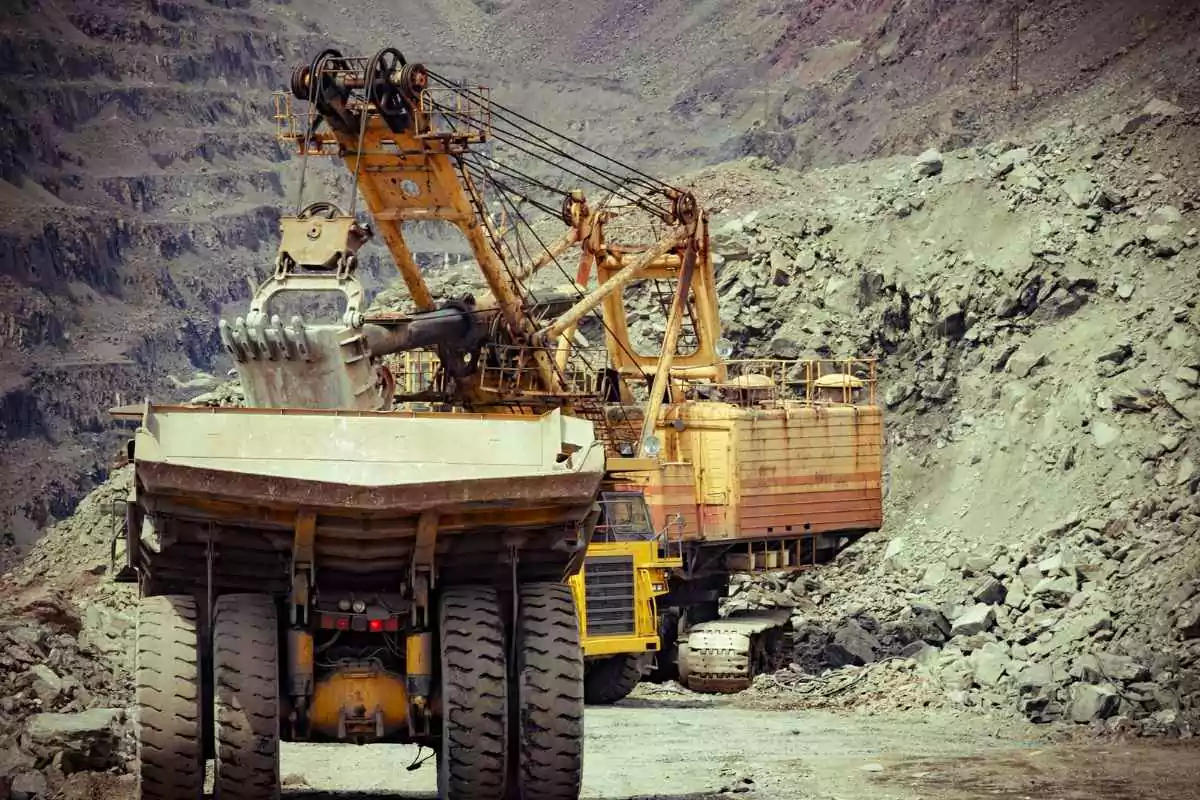
Opportunities and Challenges of Mining in Guinea
Guinea, on West Africa’s Atlantic coast, stands as one of the continent’s most resource-rich nations. Home to vast reserves of bauxite, gold, diamonds, and iron ore, it plays a pivotal role in global supply chains, particularly as a cornerstone of the aluminum industry.
Yet, while Guinea’s mineral wealth is immense, the country faces a complex mix of opportunities and challenges. Infrastructure gaps, artisanal mining, and governance issues continue to limit the full potential of the sector. At the same time, rising global demand for critical minerals offers Guinea a chance to cement its position as a strategic supplier in the global economy.
For investors, miners, and policymakers, this dual reality makes Guinea both promising and demanding. At AfriSwiss Commodities Trading Ltd, we help stakeholders navigate this landscape through ethical sourcing, satellite scanning, refining support, and strategic consultancy, ensuring that Guinea’s resources are developed sustainably and equitably.
Key Highlights
- Global Bauxite Leader – Guinea holds the world’s largest bauxite reserves, making it essential to the aluminum and electric vehicle industries.
- Untapped Iron Ore Wealth – The Simandou deposit could position Guinea as a major force in the global steel supply chain.
- Gold and Diamonds – Both industrial and artisanal mining keep Guinea’s gold and diamond markets thriving, providing vital foreign exchange and livelihoods.
- AfriSwiss Impact – From satellite scanning in Kankan to free ore testing, financial literacy, and refining support, AfriSwiss is driving ethical and sustainable mining practices in Guinea.
Key Minerals in Guinea
Guinea’s mining sector is dominated by bauxite, the raw material used to produce aluminum. The country hosts the world’s largest bauxite reserves, estimated at over 7.4 billion metric tons, accounting for nearly a quarter of global supply.
But Guinea’s mining wealth doesn’t stop there.
- Bauxite – Supplies major markets like China, making Guinea a top global exporter.
- Gold – Significant deposits, mainly in the northeast (Siguiri region).
- Diamonds – Found in alluvial deposits, though largely artisanal.
- Iron Ore – The massive Simandou deposit is considered one of the world’s largest untapped iron ore reserves.
| Mineral | Global Importance | Key Locations |
|---|---|---|
| Bauxite | Largest global reserves | Boké, Kindia |
| Gold | Export earner | Siguiri, Dinguiraye |
| Diamonds | Artisanal mining livelihood | Banankoro, Kissidougou |
| Iron Ore | Simandou project could reshape markets | Southeastern Guinea |
Opportunities in Guinea’s Mining Sector
1. Strategic Bauxite Hub
Guinea is the world’s leading source of bauxite, the ore used to produce aluminum. Global demand for aluminum has surged due to its use in everything from aerospace and construction to food packaging and electric vehicles. As industries push toward lighter, more sustainable materials, aluminum is becoming indispensable.
China, the largest consumer of bauxite, sources much of its supply from Guinea, underscoring the country’s central role in the global market. This dependency positions Guinea not just as a supplier but as a strategic partner in the future of green and industrial economies. If developed responsibly, bauxite exports could anchor long-term revenue growth and infrastructure development for Guinea.
2. Untapped Iron Ore Potential
The Simandou iron ore deposit in southeastern Guinea is often described as one of the most significant untapped mineral resources in the world. With an estimated 2 billion metric tons of high-grade iron ore, it has the potential to reshape the global steel supply chain.
For Guinea, Simandou represents more than just a mining project. The development of this deposit would require massive investments in railways, ports, and power infrastructure, creating a multiplier effect on the wider economy. Once operational, Guinea could emerge as a global heavyweight in iron ore exports, challenging traditional suppliers like Australia and Brazil.
3. Growing Gold Market
Gold mining has long been a cornerstone of Guinea’s economy, both at the industrial and artisanal levels. The Siguiri gold mine, operated by AngloGold Ashanti, is one of the country’s largest industrial operations, producing hundreds of thousands of ounces annually. At the same time, thousands of artisanal miners rely on gold extraction for their livelihoods.
As global gold prices remain resilient, driven by demand for safe-haven assets and industrial uses, Guinea’s gold reserves continue to attract interest. For the government, gold provides a steady source of foreign exchange. For artisanal miners, it represents daily survival. By improving refining, compliance, and fair trade mechanisms, Guinea could further strengthen its position as a leading African gold producer.
4. Infrastructure Development
Mining in Guinea is a catalyst for infrastructure growth. To unlock its mineral potential, the country has seen a surge in railway, port, and energy projects directly tied to the sector. For example:
- Railways are being constructed to connect inland mines, such as Simandou, to coastal export hubs.
- Ports along the Atlantic are being expanded to handle increased bauxite and iron ore shipments.
- Energy Projects, including hydropower plants, are being developed to supply electricity for mining operations and local communities.
These projects do more than facilitate mineral exports; they also lay the groundwork for industrialization by improving transport networks, reducing logistics costs, and expanding access to reliable energy. Over time, this infrastructure could help diversify Guinea’s economy beyond raw resource exports.
Challenges Facing the Sector
Despite its mineral wealth, Guinea struggles with structural and governance challenges:
- Infrastructure Gaps – Limited railways and power shortages hinder large-scale operations.
- Artisanal and Small-Scale Mining (ASM) – Unregulated artisanal gold and diamond mining leads to unsafe working conditions and loss of state revenue.
- Political and Regulatory Uncertainty – Changes in mining codes and political instability create risks for investors.
- Environmental Pressures – Deforestation, land degradation, and water pollution from bauxite mining remain pressing concerns.
How AfriSwiss Supports Ethical Mining in Guinea
AfriSwiss Commodities Trading Ltd works to bridge the gap between artisanal miners, global buyers, and African governments. Our approach ensures that Guinea’s resources are developed responsibly and sustainably, combining on-the-ground support with advanced technologies.
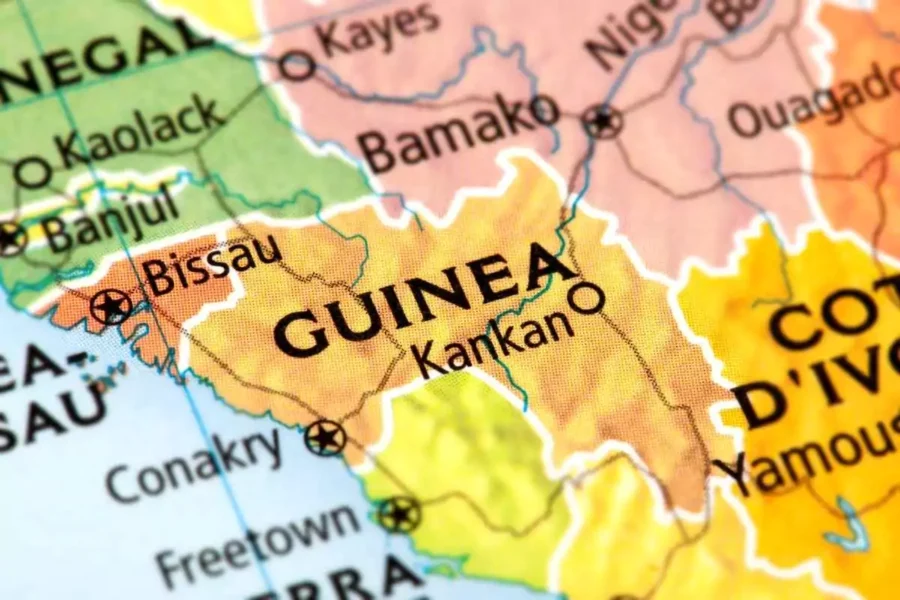
- Satellite Scanning & Exploration – Using advanced satellite imaging to identify mineral-rich zones and optimize exploration. For example, AfriSwiss has already conducted satellite scanning in the Kankan region, providing valuable insights that help artisanal miners and investors focus resources where they matter most.
- Free Ore Testing for Artisanal Miners – Empowering miners to understand the true value of their resources and negotiate fairer deals.
- Fair Market Access – Helping miners escape exploitation by illegal middlemen through verified, transparent trading channels.
- Financial Literacy and Training – Equipping miners with the knowledge to manage earnings, access financing, and secure long-term livelihoods through our Agrimining program.
- Logistics & Compliance – Providing tailored solutions for refining, KYC/AML compliance, and secure mineral transport to global markets.
By combining cutting-edge exploration tools with grassroots empowerment, AfriSwiss ensures that mining in Guinea is not only profitable, but also sustainable and community-driven.
Conclusion
Mining in Guinea is both a national lifeline and a global necessity. With unparalleled bauxite reserves, significant gold and iron ore potential, and a growing role in global supply chains, the country stands as one of Africa’s most strategic mining hubs. Yet, this position comes with both opportunities and challenges of mining in Guinea, from governance and infrastructure gaps to environmental and social sustainability concerns.
At AfriSwiss Commodities Trading Ltd, we believe the future of Guinea’s mining sector lies in responsible investment, ethical practices, and inclusive growth. By supporting artisanal miners, leveraging tools such as satellite scanning, strengthening refining capacity, and ensuring compliance with international standards, we help unlock Guinea’s resources in a way that benefits both local communities and global industries.
Expert Precious Metals Buyer Consultancy Services
Buying precious metals from Africa? We’re here to guide you every step of the way.



