Mining in Africa – Opportunities, Challenges and Innovations
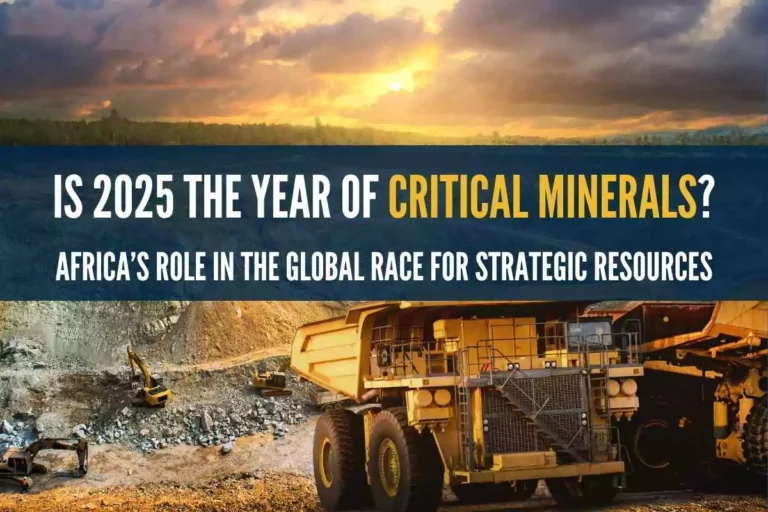
Africa’s mineral wealth has long been the subject of global attention, but today, the narrative around mining in Africa is rapidly shifting. No longer seen as just a supplier of raw resources, the continent is emerging as a vital player in a world where clean energy, digital transformation, and responsible sourcing are driving the future of global trade.
As the demand for critical minerals like cobalt, lithium, rare earth elements, and gold surges, mining in Africa is taking on a more strategic and central role. Across the continent, new investments and partnerships are unlocking previously untapped reserves, positioning Africa as a cornerstone in the supply chain for electric vehicles, renewable energy systems, and advanced technologies.
However, realizing Africa’s full mining potential means navigating a complex mix of opportunities, environmental concerns, governance issues, and groundbreaking innovations. The future of mining in Africa lies not just in extraction, but in building sustainable, inclusive systems that benefit both local communities and the global economy.
Key Highlights
- Championing Responsible Sourcing AfriSwiss works directly with artisanal and small-scale miners to ensure traceable, conflict-free precious metals aligned with international due diligence standards.
- Empowering Miners with Tools and Training By providing access to environmentally friendly equipment and technical training, AfriSwiss is helping miners improve productivity, reduce waste, and operate safely.
- Boosting Local Economies Through Value Addition AfriSwiss promotes local beneficiation, such as refining and processing in-country, to increase revenue retention and job creation within African mining communities.
- Aligning with ESG and International Compliance The company supports miners and cooperatives in meeting Environmental, Social, and Governance (ESG) requirements, helping them access global markets ethically.
- Building Strategic Partnerships Across Africa Through partnerships with governments, NGOs, and development banks, AfriSwiss is scaling sustainable mining solutions in countries like Liberia, DRC, Tanzania, and Zimbabwe.
A Continent Rich in Resources and Opportunity
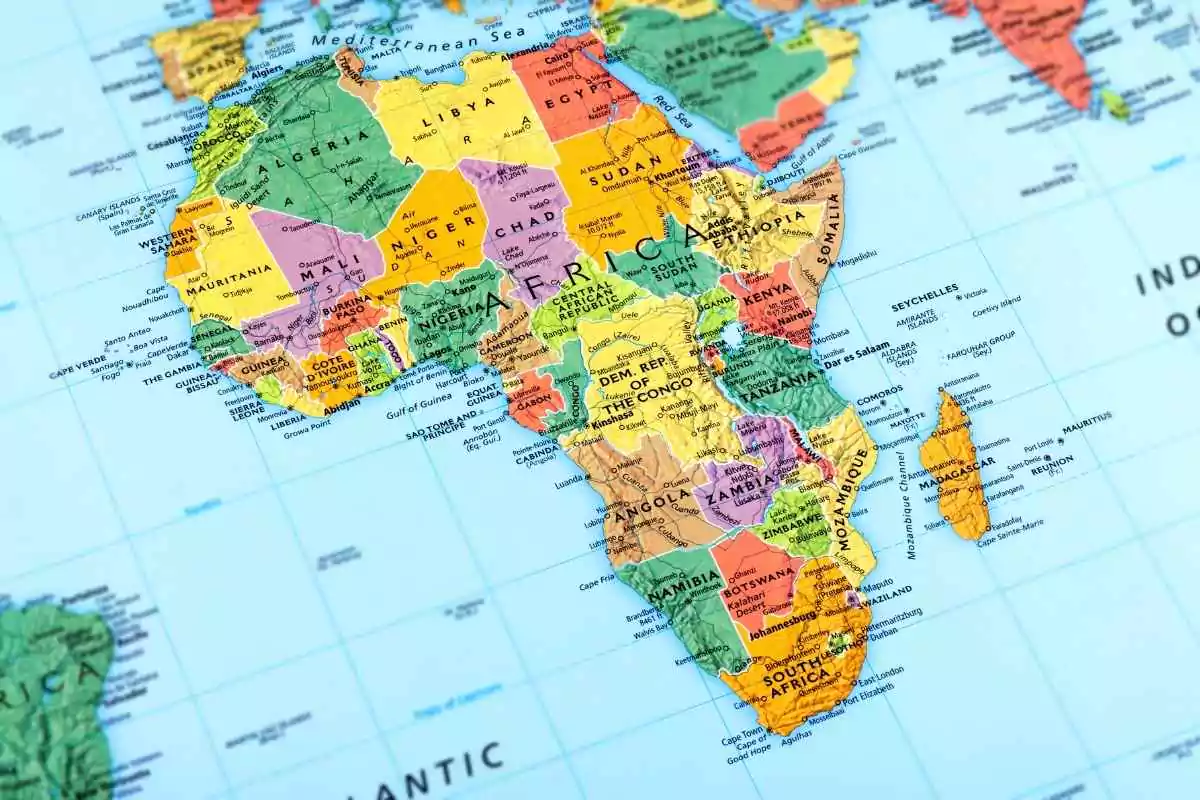
Africa holds an impressive share of the world’s critical minerals, making it indispensable in the global push for green energy and digital infrastructure. For instance:
- The Democratic Republic of Congo (DRC) supplies over 70% of the world’s cobalt, essential for electric vehicle (EV) batteries.
- Zimbabwe and Namibia are emerging as rising stars in the lithium market.
- South Africa remains a global leader in platinum group metals.
- Guinea boasts one of the world’s largest bauxite reserves, key for aluminum production.
These minerals are at the heart of renewable energy technologies, from solar panels and wind turbines to electric vehicles and energy storage. Global powers, including the EU, US, and China, are racing to secure reliable, responsible supply chains, and many are looking to Africa.
Furthermore, the African Continental Free Trade Area (AfCFTA) is opening doors for regional trade, joint infrastructure investments, and pan-African value chains, making it easier than ever to collaborate across borders and scale operations.
Real Challenges on the Road to Growth
Despite the immense potential, Africa’s mining sector faces serious challenges that must be addressed to unlock long-term value:
1. Infrastructure Deficiencies
Many mineral-rich regions still lack basic infrastructure like paved roads, railways, and reliable electricity. Transporting minerals from remote mines to international markets becomes costly and slow. The solution? Strategic investments in shared infrastructure corridors and public-private partnerships to accelerate development.
2. Regulatory Uncertainty
Frequent changes to mining codes, tax regimes, and ownership rules in some countries have led to investor hesitation. While governments aim to increase local benefits, unclear regulations and sudden shifts can create risk for international companies.
3. ESG and Ethical Sourcing Pressures
Today’s investors and end users, especially in Europe and North America, demand traceable, ethical, and environmentally responsible sourcing. This has placed immense pressure on African producers to clean up supply chains. From eliminating child labor in artisanal mining to reducing environmental degradation, compliance with ESG (Environmental, Social, and Governance) standards is no longer optional.
Mining companies that fail to align with these expectations risk losing access to premium buyers and international financing. On the flip side, those who embrace ESG best practices can attract strategic partnerships and secure long-term contracts at better margins.
Innovations Reshaping the African Mining Sector
The future of mining in Africa isn’t just about what’s in the ground, it’s about how it’s extracted, processed, and managed. Here are some game-changing innovations already making a difference:
1. Tech-Enabled Exploration
New technologies like AI-driven geological mapping, hyperspectral imaging, and drone-based surveying are making exploration faster, cheaper, and more accurate. In places like Tanzania and Ghana, junior miners are using these tools to identify promising sites without the need for massive upfront capital.
2. Blockchain for Traceability
Blockchain technology is being piloted to track minerals from mine to market. This increases transparency and reduces fraud, especially for high-value minerals like gold, tantalum, and cobalt. Projects in Rwanda and the DRC are already using blockchain platforms to certify ethical origin.
3. Greener Processing Methods
Hydrometallurgy, solar-powered refining units, and water recycling systems are helping reduce the environmental footprint of mining. Innovations like gravity-based separation or mobile modular processing plants are enabling artisanal and small-scale miners to improve yields while reducing harmful chemical use.
4. Local Beneficiation
Countries like Zimbabwe and Namibia are introducing policies that mandate local processing of raw minerals. Instead of exporting unrefined ore, companies are being incentivized to build refineries and smelters, which creates local jobs, skills, and long-term value for host economies.
How AfriSwiss is Leading Africa’s Mining Evolution
At AfriSwiss, we believe the mining industry must balance profit with responsibility. That’s why we work directly with artisanal and small-scale miners across Africa to provide:
- Ethical sourcing support and training
- Access to modern, sustainable mining equipment
- Refining and export assistance
- Guidance on meeting ESG standards
We also help local cooperatives connect with global buyers and certified refineries, increasing their bargaining power and ensuring they receive fair compensation for their resources.
Looking Ahead
Africa’s mining future is bright, but it must be built on sustainability, transparency, and innovation. For stakeholders across the value chain, the message is clear: those who invest in local communities, adopt responsible practices, and embrace new technologies will lead the next era of African mining.